Teach One

Families in the United States raising children with rare genetic disorders face substantial financial strain, even with insurance. A 2019 analysis of 379 rare diseases estimated total national costs at $997 billion, including $449 billion in direct medical expenses and $548 billion in indirect and uncovered costs families often pay themselves. Children with rare conditions also incur about $32,000 more in annual medical spending than unaffected peers. Because these disorders commonly require frequent specialist visits, equipment, therapies, and sometimes palliative care, many families experience “catastrophic” health costs that exceed 10% of their income. Alongside these financial pressures, parents must navigate complex insurance approvals and coordinate multiple providers, compounding the stress of long-term care planning.
1. Cote, D. J., Wu, J. K., Kelly, C., Smith, T. R., Dunn, I. F., & Smith, E. R. (2022). The National Economic Burden of Rare Disease Study. Orphanet Journal of Rare Diseases, 17, 426. https://doi.org/10.1186/s13023-022-02299-5
2. Cote, D. J., et al. (2022). Supplementary Table: Excess medical costs for children with rare diseases. In The National Economic Burden of Rare Disease Study. Orphanet Journal of Rare Diseases. https://doi.org/10.1186/s13023-022-02299-5
3. U.S. Government Accountability Office. (2022). Rare Diseases: Despite increased funding, gaps remain in understanding the burden. GAO-22-104235. https://www.gao.gov/products/gao-22-104235
4. Moultrie, R. R., & colleagues. (2025). Understanding the multifaceted burden of rare diseases in pediatric populations: A public-health perspective. Frontiers in Public Health. https://doi.org/10.3389/fpubh.2025.1531583
Compared with other rare diseases, PKS ranks among the least commonly diagnosed. Estimates place its prevalence around 1 in 20,000 births to approximately 5 per million, but experts believe the true rate is higher because mosaic cases are easily missed with standard blood genetic testing. While many rare disorders have clearer diagnostic markers or more consistent symptoms, PKS’s mosaic nature and broad clinical variability make it uniquely underdiagnosed. By comparison, better-known rare conditions—such as Prader-Willi syndrome, Angelman syndrome, or DiGeorge syndrome—occur several times more frequently. Even within the category of ultra-rare chromosomal disorders, PKS stands out as one of the lowest-reported worldwide, with only a few hundred confirmed cases despite likely being more common than the documented numbers suggest.

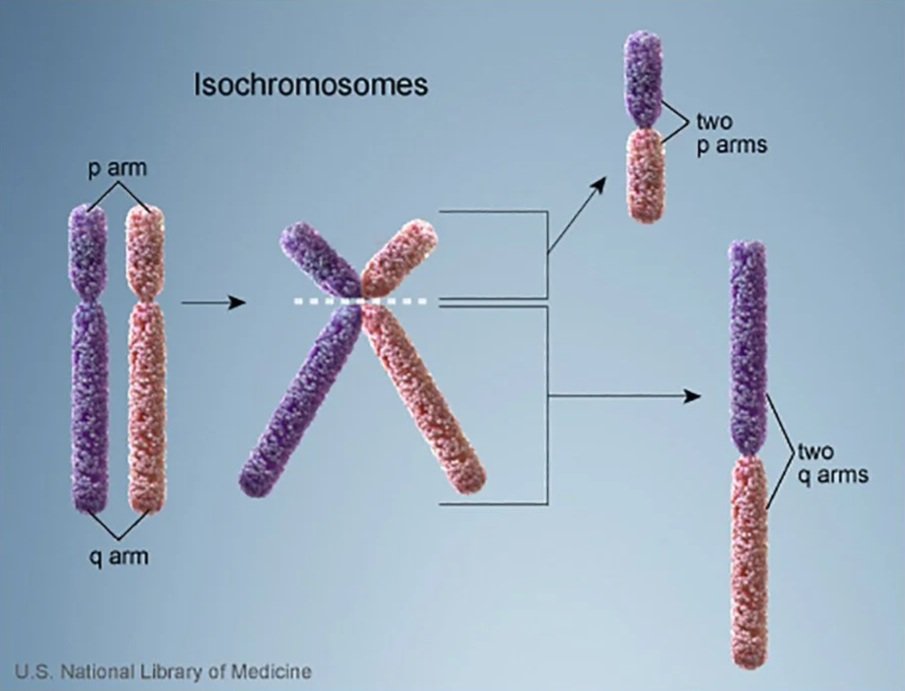
Pallister-Killian syndrome (PKS) is an extremely rare genetic disorder caused by mosaic tetrasomy of the short arm of chromosome 12, meaning some of a person’s cells carry an extra isochromosome 12p while others do not. This mosaic pattern makes the condition difficult to detect and contributes to its highly variable presentation. PKS is typically characterized by low muscle tone in infancy, developmental delays, intellectual disability, seizures in over half of diagnosed individuals, and a wide range of structural differences affecting the brain, heart, diaphragm, and skeletal system. Recent research, including 2024 neuroimaging studies, shows that most individuals with PKS have significant brain abnormalities, such as corpus callosum defects, cerebral hypoplasia, and polymicrogyria—highlighting more consistent neurological involvement than previously understood.